)
)

)

)
)
)
)


)
)
)
)
)
)
)
)
)
)
)
)
)

)
)
)
)
)
)
)
)
)

)
)
)

)
)
)
)
)
)
)
)
)
)
)
)
)
)
)
)
)
)
)
)
)
)
)
)
)
)
)
)
)
)
)
)
)
)
)
)
)
)
)
)
)
)

)
)
)
)
)
)
)
)
)
)
)
)
)
)
)
)
)
)
)
)
)
)
)
)
)
)
)
)
)
)
)
)
)
)
)
)
)
)
)
)
)
)
)
)
Sacai




Other collections
)
)
)
)
)
)
)
)
)
)
NIKE X SACAI, THE STORY BEHIND THE COLLABORATIONS
Japan and streetwear?
streetwear draws its origins from the street and its inspiration from the people who live there and their influences. While hip-hop remains the heart of the movement, Japanese culture has also carved out a place in the hearts and minds of streetwear wearers. Japanese artists, themselves influenced by this new wave, developed their own brands with innovative designs and sales methods. The 90s brought GOODENOUGH, the label of DJ Hiroshi Fujiwara. What set it apart? Every piece was made in limited numbers and sold at a high price, to create a sense of scarcity and desire.
Nike took an interest in the brand and developed a collection with the Japanese label. Others soon followed, such as Fragment Design by Hiroshi Fujiwara, or the famous A Bathing Ape created by Fujiwara's protégé, Nigo. BAPE shook up the Japanese streetwear market with exclusive, sharply designed models running on Japanese pop culture. Its stores, carefully decorated and unmistakable in style, made an impression too: the famous Parisian concept store Colette later called on its services.
He and the founder of the label Undercover, Jun Takahashi, would go on to collaborate on an extremely limited clothing brand named A.F.F.A (Anarchy Forever Forever Anarchy). It was in Japan, during this period, that the culture of scarcity and exclusivity really took shape. Meanwhile, fashion houses such as Comme des Garçons and Kenzo, a French company founded by the Japanese designer Kenzo, were carving out a strong position in luxury and fashion. Over time, Japanese designers such as Issey Miyake and Yohji Yamamoto took on ever greater importance in the fashion industry, much like the streetwear movement itself.
American artists began wearing pieces by Japanese designers. That is how brands such as Nike and Adidas started taking these new fashion heavyweights far more seriously. New partnerships followed. Take Nike's HTM design unit, which brought together Tinker Hatfield, the man behind the legendary Nike Air Max among others, and designer Hiroshi Fujiwara. The label Undercover also became a close partner of the Swoosh brand, and still is today. Iconic collaborations came out of it, among them the famous Bapesta designed by the founder of the Yeezylabel, Kanye West, with BAPE, or the Y-3 line bringing together Yohji Yamamoto and Adidas. Japanese designers' brands would also team up with their American counterparts on unique streetwear collections: Comme des Garçons with Nike, BAPE with Adidas, and more.
SACAI, heir to Japanese streetwear culture
This new Japanese streetwear culture produced many heirs. One of the first and most significant is SACAI. Founded in 1999 in Tokyo, the label is the work of Chitose Abe. The designer spent eight years alongside Rei Kawakubo and Junya Watanabe running the Comme des Garçons design house. Famously discreet, she learned from those two illustrious designers before striking out on her own. She then created the SACAI label, drawing on the singular, patchwork world of the Japanese capital.
Working on the treatment and juxtaposition of materials, Chitose Abe made a growing name for herself on the underground scene. With conceptual designs typical of Japanese fashion, flowing silhouettes and a contemporary edge, SACAI gradually found its place in the fashion world. The brand showed in Paris for the first time in 2006, in front of the industry's leading figures. Endorsed by insiders, the designer opened her flagship store in Tokyo in 2011. The brand then spread worldwide with 90 stores. In 2012, SACAI joined the official calendar of Paris Fashion Week. Despite its standing within the industry, the label remains little known to the wider public. The Japanese brand went on to work with Nike on an exceptional sneaker collection, giving Chitose Abe's work far greater visibility.
NIKE SACAI, a forward-looking, unprecedented collaboration
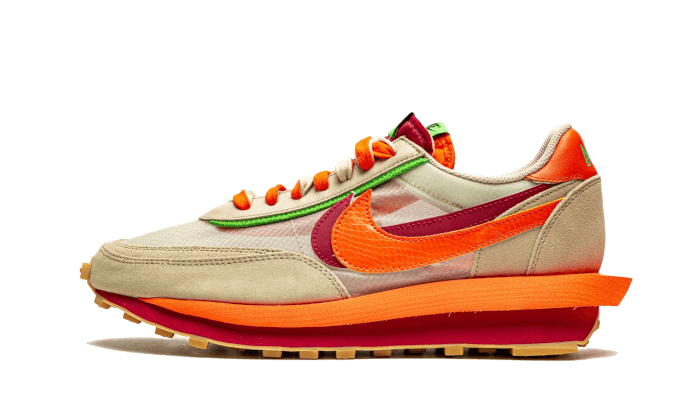
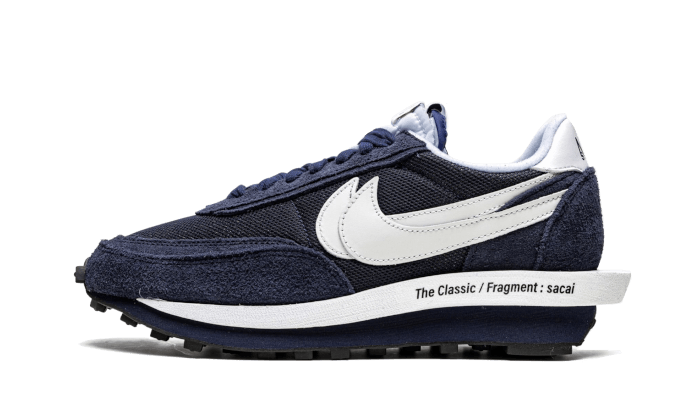
Revealed during the SS19 presentation of the Japanese brand, the collaboration between Nike and SACAI was an event in the world of sneakers. After several partnerships with other Japanese labels such as Undercover and AMBUSH, the American company gave free rein to Chitose Abe's ideas. Playing with the brand's identity, the designer transposed her juxtaposition of materials and contrast of textures onto Nike silhouettes. Several sneakers were reworked: the classic Blazer and the sporty Waffle.
Their designs were completely reimagined, with doubled uppers giving a deconstructed, forward-looking look never seen before. With several colourways mixing red, blue and green, the first editions of these collaborations were a real success. Buoyed by that popularity, the two brands continued the partnership, giving the models new tones and developing a tennis outfit for the American players. At a time when collaborations have become routine, the pairing of American and Japanese brands remains a safe bet for creativity and modernity. The Nike x Sacai collection is the perfect example.
)
)
)

)
)
)
)